Posture Corrective Exercises in Vancouver
Posture isn’t just about how you look. It’s about how your body feels and functions every day. For many people, the first signs of posture issues show up as fatigue after long hours at a desk, tight shoulders after carrying bags, or low back tension after sitting too long. A patient from Mount Pleasant once described it as “feeling like gravity got heavier by the end of the week.” In Vancouver, with its blend of computer-heavy jobs and active weekends, posture challenges are common, and corrective exercises can make all the difference.
Why posture matters more than appearance
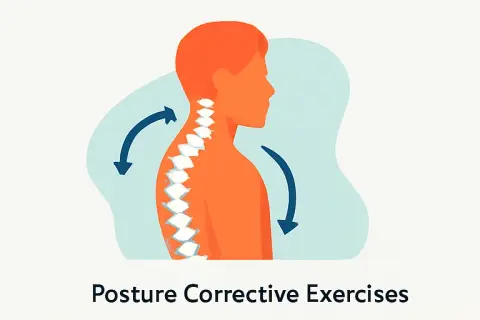
Posture is really about balance. When the joints of the spine and hips move properly, the body organizes itself with less effort. The nervous system sends clear signals to muscles, tissues repair more effectively, and energy is used efficiently. When posture is off, rounded shoulders, forward head, uneven hips, everything becomes harder. Muscles guard, joints stiffen, and small aches build into recurring problems.
One of the four core principles of chiropractic is that the body is self-healing and self-organizing. Poor posture interferes with that natural ability. Restoring alignment through movement retrains the body to work with gravity instead of against it.
What posture corrective exercises do
Corrective exercises aren’t complicated workouts. They are simple, targeted drills designed to restore healthy joint motion and reinforce it until the nervous system adapts. For example:
- Chin tucks teach the neck and spine to align better.
- Shoulder blade squeezes strengthen the mid-back so the shoulders sit naturally.
- Hip hinges train the body to bend from the hips instead of the low back.
These movements don’t just improve strength, they restore communication between the joints, muscles, and nervous system. That’s why patients often describe feeling lighter or clearer after practicing them consistently.
How posture assessments guide the plan
The first step is understanding your posture patterns. An assessment looks at how you stand, sit, and move. Do your shoulders roll inward? Is your head carried forward? Do your hips tilt unevenly? These patterns reveal which joints are stuck and which muscles are compensating.
From there, a care plan takes shape. Chiropractic adjustments may restore mobility to stiff joints, while corrective exercises retrain posture between visits. The goal isn’t short-term relief, it’s long-term change.
Everyday benefits of posture correction
Patients in Fairview often notice progress in everyday life:
- Sitting through meetings without shifting constantly.
- Carrying groceries without back fatigue.
- Sleeping more comfortably without waking stiff.
These small wins build confidence that the body is adapting. Corrective exercises don’t aim for a “perfect” stance, they aim for alignment that makes movement easier and reduces the chance of recurring pain.
Daily habits that reinforce posture
Exercises are only part of the solution. Habits matter too.
- Screen height: Raising devices closer to eye level prevents constant forward head posture.
- Movement breaks: Standing every 45 minutes resets posture before fatigue builds.
- Balanced carrying: Using both straps of a backpack or alternating shoulders reduces uneven load.
These simple changes signal to the nervous system that balance is the new normal.
How posture links to other rehabilitation goals
Posture corrective exercises are part of a bigger picture. For example, during a movement screening (another key service in our Rehabilitation Center silo), posture is one of the first things we analyze. It reveals weaknesses and imbalances that guide the entire care plan. By combining corrective exercises with screenings, mobility drills, and neuromuscular rehabilitation, the results are steadier and longer lasting.
See our page on Movement Screenings in Vancouver
Moving forward with better posture
Posture corrective exercises help the body do what it’s designed to do: heal and organize itself. By restoring motion, improving nerve signaling, and reducing unnecessary stress, these exercises make everyday life easier. Whether it’s working long hours, caring for kids, or enjoying active weekends, better posture supports it all.
If you’re ready to explore posture corrective exercises, click here.
Reviews from our patients
5.0 stars · 132+ reviews on Google (read our reviews on Google, opens in a new tab)Reviews are published by patients on Google. Individual experiences vary.