Movement Screenings in Vancouver
When something feels off in your body, it’s not always obvious where the problem comes from. Maybe your back tightens after sitting too long. Maybe your shoulders ache after workouts. Or maybe you’ve had a nagging stiffness in your hips for months. For one patient in Olympic Village, the issue was recurring knee pain, but the real cause turned out to be poor hip motion. That’s where movement screenings come in.
A movement screening is a simple way to evaluate how your body moves. It looks at posture, flexibility, stability, and coordination all at once. Instead of waiting for pain to appear, a screening reveals which joints are stiff, which muscles are overworking, and which patterns are setting you up for discomfort. In Vancouver, where long desk hours and active weekends collide, these insights are especially valuable.
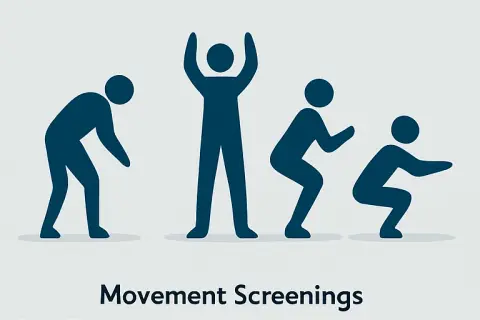
What is a movement screening?
A movement screening is a guided series of simple movements, squats, bends, reaches, balance drills, that help identify areas of restriction or compensation. You don’t need to be an athlete to benefit. The screening is about understanding how your body organizes itself during everyday motions.
When joints don’t move well, the nervous system receives noisy signals. Muscles tighten to guard weak spots, and tissues repair more slowly. Over time, these compensations create postural misalignments that show up as pain or stiffness. One of the core principles of chiropractic is that restoring motion brings clearer signaling back to the nervous system, allowing the body to heal and self-organize more effectively. A movement screening is the first step in spotting where that cycle is breaking down.
Why would someone need a movement screening?
People often ask: Isn’t pain enough of a sign that something’s wrong? The problem is that pain usually shows up last. A movement screening catches the small dysfunctions before they grow into larger issues.
For example:
- A tight ankle that limits your squat may eventually stress your knee.
- A rounded upper back may create recurring tension in your neck.
- Uneven hip motion may leave your low back working overtime.
By spotting these imbalances early, screenings help prevent injury and reduce flare-ups.
What happens during a screening?
The process is straightforward and comfortable. You’ll be guided through simple movements while a chiropractor observes posture, alignment, and mobility. No equipment or heavy lifting is needed. The focus is on how your joints, muscles, and nervous system coordinate during natural motions.
From there, the findings shape a personal plan. That may include corrective exercises, chiropractic adjustments, or mobility drills. For one Olympic Village resident, addressing hip stiffness identified during a screening finally resolved their long-standing knee discomfort.
Do movement screenings really prevent injury?
Yes, by reducing the stress that builds from poor mechanics. One of the four chiropractic principles is that restoring proper motion reduces unnecessary load on joints and tissues. If your hips, shoulders, or spine are moving poorly, other areas are forced to compensate. Over time, this leads to breakdown. A screening identifies the weak links before they cause bigger problems.
How movement screenings connect with other rehab services
Movement screenings are often the starting point for rehabilitation. They guide whether you need posture corrective exercises, mobility training, or neuromuscular rehabilitation. By combining these services, patients see steadier and longer-lasting results.
For example, see our page on Posture Corrective Exercises in Vancouver
Everyday benefits patients notice
People who go through screenings often describe subtle but powerful changes:
- Confidence in exercise: Workouts feel smoother when joints move freely.
- Less daily fatigue: Simple motions like walking or standing tall require less effort.
- Reduced flare-ups: Small posture corrections lead to fewer recurring aches.
These benefits aren’t about perfection. They’re about stacking steady wins that make daily life more comfortable.
Questions:
How long does a movement screening take?Typically 20–30 minutes, depending on your goals.
Do I need special clothing?Just comfortable clothes you can move in, leggings, joggers, or athletic wear work well.
Is it only for athletes?No. Screenings are for anyone who wants to move better, prevent injury, or understand why discomfort keeps coming back.
How often should I get a screening?Most people benefit from a baseline check and occasional follow-ups if routines or symptoms change.
Moving forward with clarity
Movement screenings give you a clearer picture of how your body works. They reveal imbalances you can’t always feel, explain why certain problems keep returning, and guide a plan that restores motion and balance. By calming the nervous system, improving joint function, and reducing postural stress, screenings help the body return to its natural rhythm of repair.
Reviews from our patients
5.0 stars · 132+ reviews on Google (read our reviews on Google, opens in a new tab)Reviews are published by patients on Google. Individual experiences vary.